Apple Cider
Posted on in Todd Talks by Todd Johnson
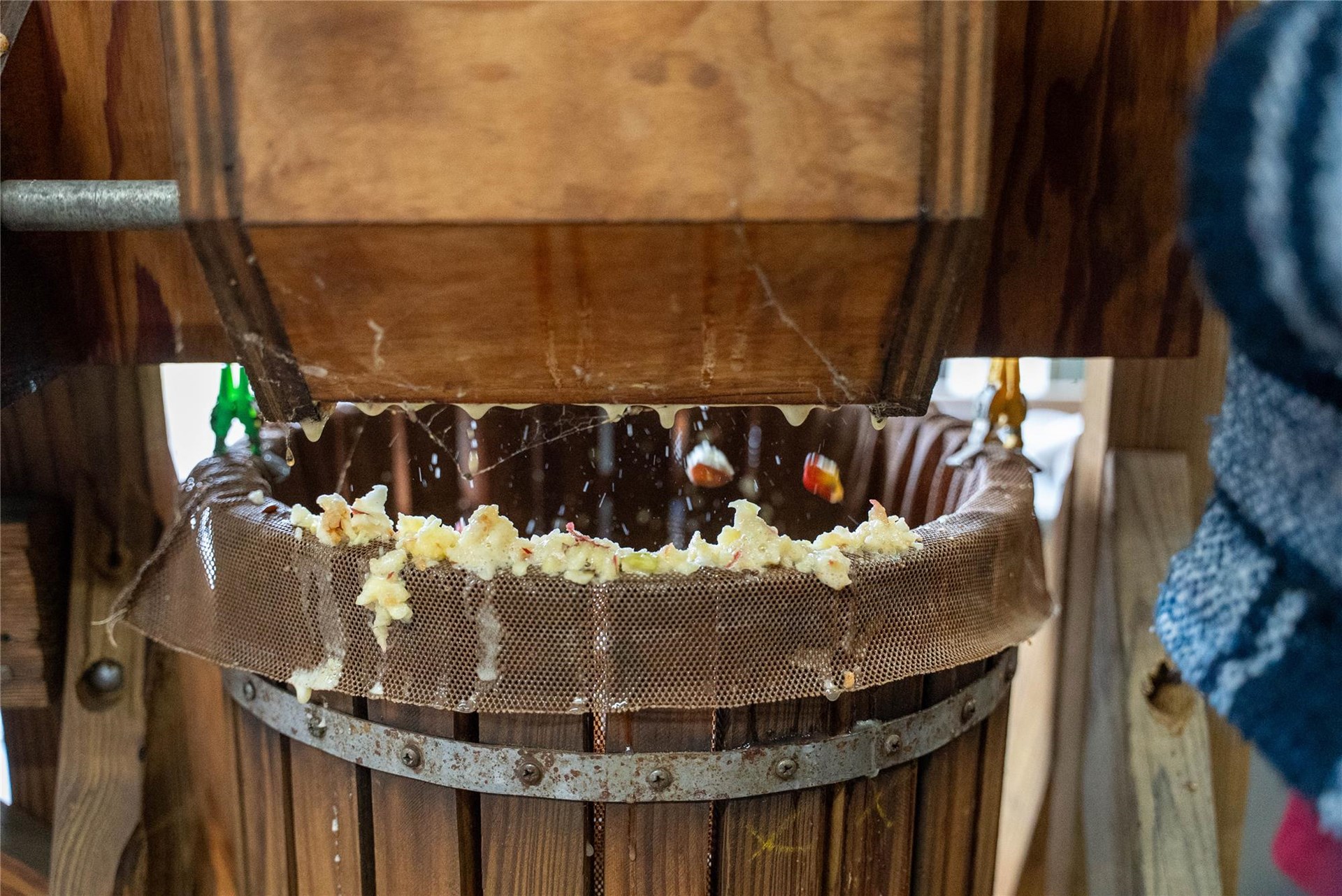
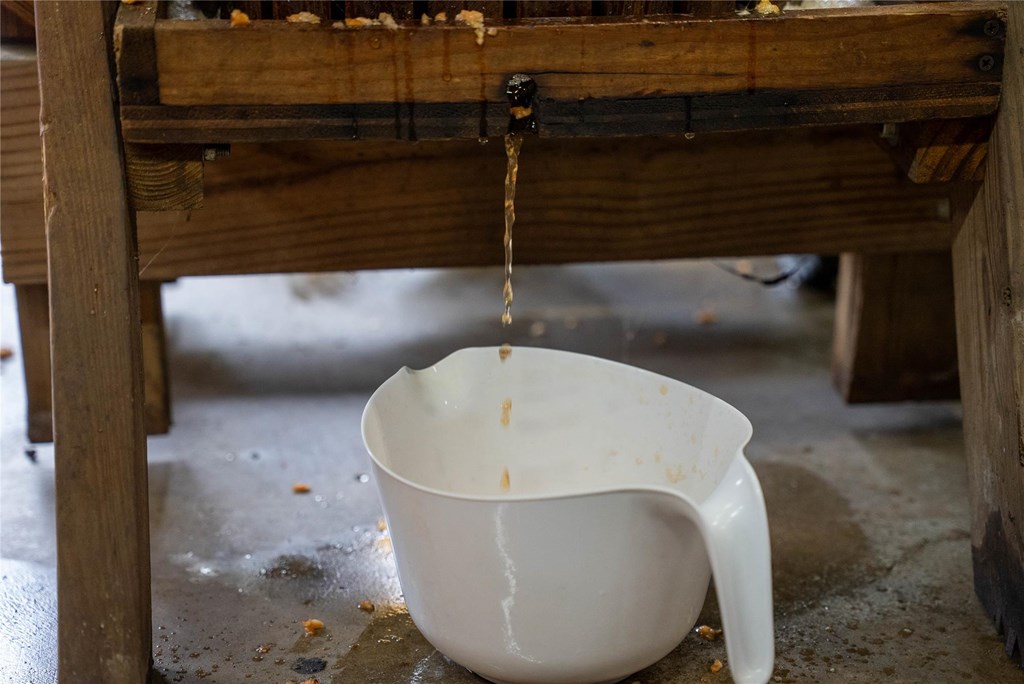
Each year that we are blessed with a good harvest, my family gathers in early October to make apple cider. It is a cherished tradition filled with bonding, storytelling, incredible food, and, of course, crushing apples into the freshest, most delicious cider you will ever taste.
This year, thanks to ample rain and the absence of a late frost, the trees were absolutely loaded with fruit. We are lucky enough to have access to an old, non-functioning orchard, giving us all the apples we could possibly need. Last weekend, our family gathered to run the cider press, wrapping up the day with over 17 gallons of fresh cider to share with friends and family.
Whenever I tell people about this tradition, I always get the same question: What is the difference between apple cider and apple juice?
The answer depends entirely on where you live. In the United States and Canada, apple cider refers to the unfiltered, unsweetened, non-alcoholic juice pressed straight from the fruit. Apple juice, on the other hand, is filtered and pasteurized to extend shelf life (though cider can be pasteurized, too). Outside of North America, what we call cider is usually referred to as "cloudy apple juice." To the rest of the world, "cider" automatically implies the fermented, alcoholic beverage we call "hard cider."
If raw cider is left in its natural state, it will eventually start to ferment on its own. This happens because of the wild, natural yeasts living on the apple skins, in the air, and even on the press itself. While refrigeration slows this process down, it won’t stop it completely. Interestingly, this natural fermentation process actually creates alcohol that helps inhibit the growth of harmful bacteria.
Most modern hard cider makers choose to boil their fresh cider first. This kills off the wild, unpredictable natural yeasts before they introduce a specific, controlled strain. Doing this allows them to precisely regulate the flavor profile and final alcohol content.
This natural fermentation has deep roots in American history. During colonial times, people would let their cider ferment and then transform it into a potent drink called "Applejack." To make it, they used a technique called freeze distilling (or "jacking"). They would leave barrels of hard cider outside in freezing winter temperatures, allowing the water content to turn to ice. By scooping out the ice chunks, they were left with a highly concentrated, high-proof alcohol. While Applejack—essentially an American apple brandy—was incredibly popular in early America, it fell out of favor after Prohibition as modern spirits became easier to distill.
Right now, the autumn leaves are changing color, turning the rolling hillsides of Pennsylvania into a vibrant bowl of Fruity Pebbles. There is no better time to head to your local fruit stand or grocery store. Grab a jug of fresh apple cider, pour yourself a glass, and toast to the season.